

PROTECT PEOPLE, NOT PROFITS
END DISCRIMINATORY INSURANCE RATE-SETTING IN MINNESOTA
THE ISSUE
THE ISSUE
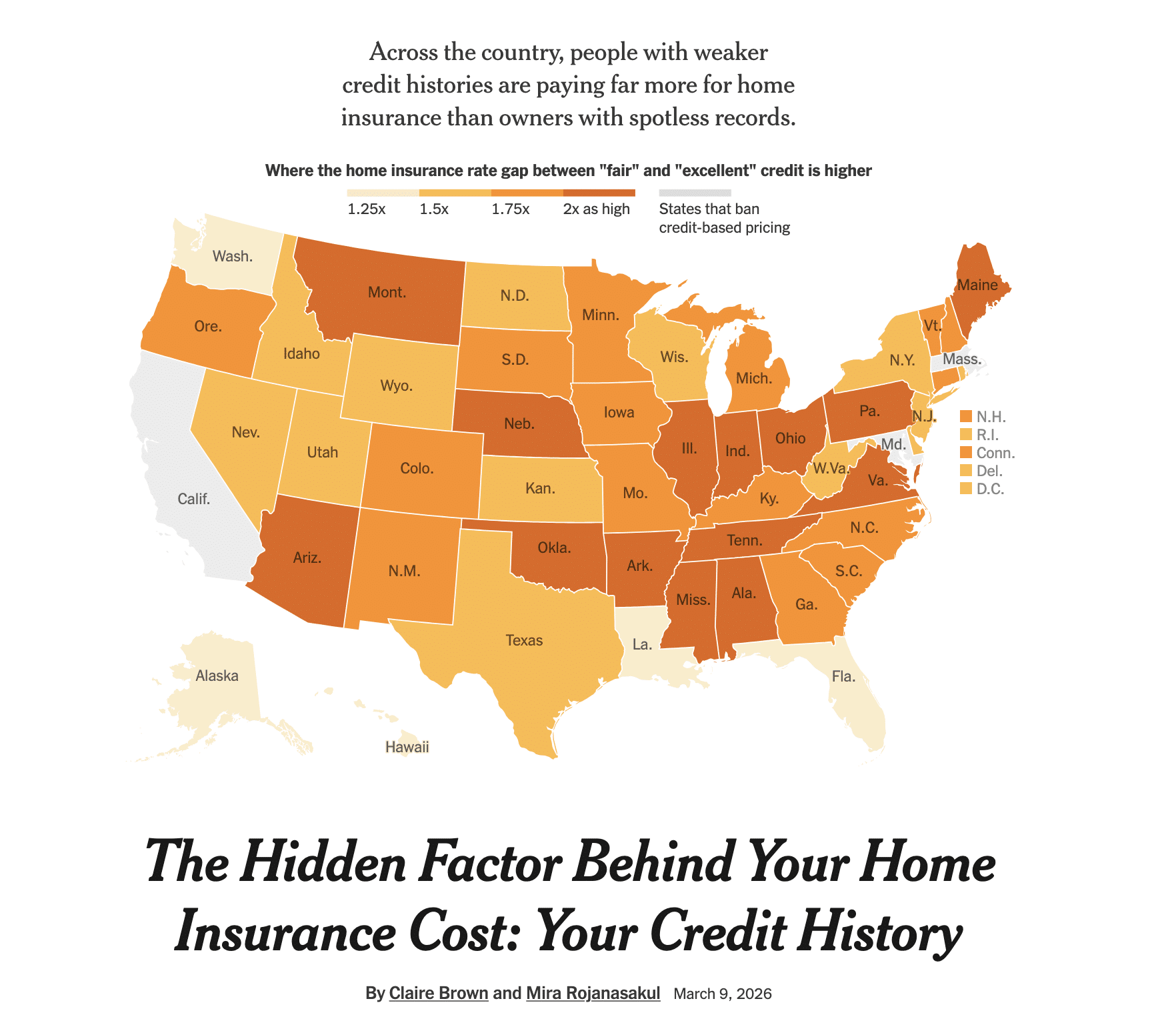
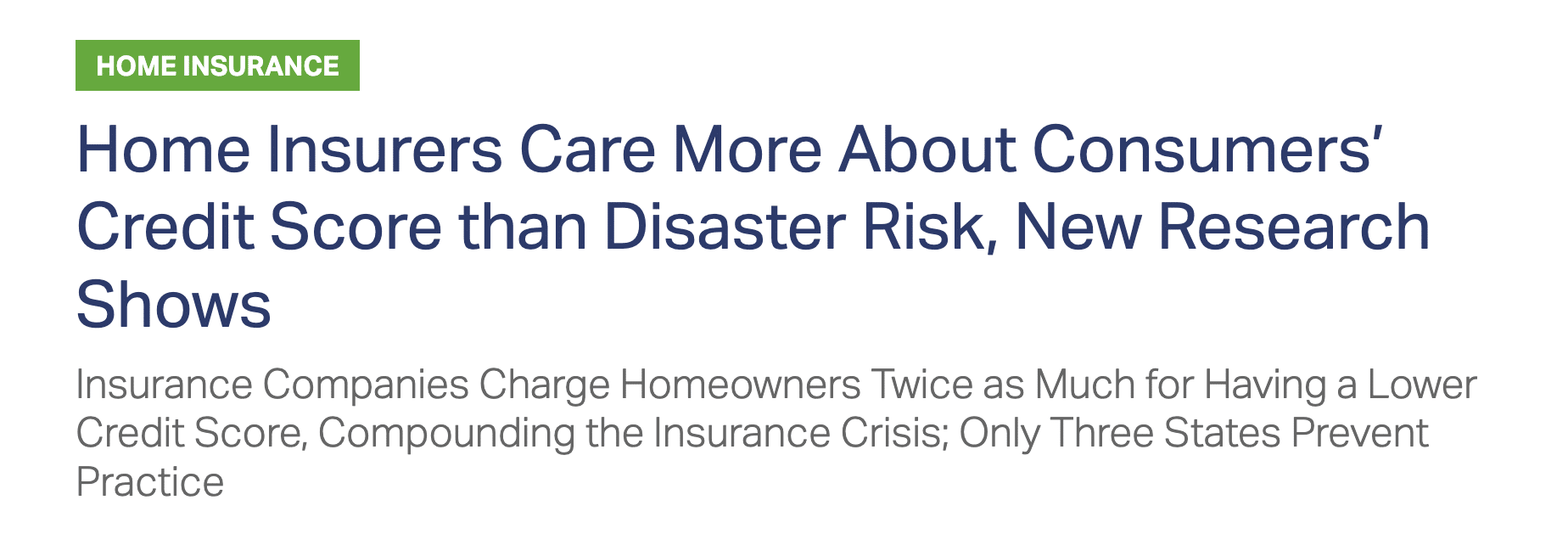
The home insurance industry are weighing credit scores more than disaster risk to set home insurance policy prices in Minnesota and across the country.
According to the National Consumer Law Center, credit scores “bake in” and perpetuate past discrimination against low-income and people of color, and researchers at the University of Illinois have found that women consistently receive lower credit scores than men, even with the exact same histories and risk factors. BIPOC Minnesotans, single women, young people, seniors and people with dis-abilities are particularly disadvantaged by these practices.
Low-income Minnesotans are subsidizing the collective insurance market for everyone else because they are consistently charged higher rates due to their credit scores.
DISASTER RISK SHOULD MATTER MORE FOR RATE SETTING THAN CREDIT SCORES
DISASTER RISK SHOULD MATTER MORE FOR RATE SETTING THAN CREDIT SCORES
Research confirms that homeowners, including those in multihousing units with identical properties, are often charged significantly different insurance premiums, a trend that disproportionately impacts low-income homeowners. This phenomenon is largely driven by the insurance industry's widespread use of credit-based insurance scores—a proxy for financial risk that reflects long-standing, structural, and systemic racial wealth disparities.
On top of this, every insurer weighs credit differently when setting homeowners in-surance rates:
- Homeowners with bad credit pay more than double what people with good credit pay for home insurance.
- A homeowner with bad credit with a $300,000 home policy that has a $1,000 deductible and $300,000 in liability protection pays nearly $2,500 more annually than a person with excellent credit.
MN NEEDS LEGISLATION TO limit the use of credit score in setting insurance rates
In 2006 Minnesota passed legislation to limit the use of credit information, to reject, cancel, or non-renew a home-owner's insurance policy as defined under section 65A.27, for any person in whole or in part on the basis of credit information, including a credit reporting product known as a "credit score" or "insurance score," without consideration and inclusion of any other applicable under-writing factor. But over time the legislation has been watered down through amendments, prioritizing industry interests over the needs of consumers.
We need legislators to set the standard once again that credit score should not be a factor in setting home insurance rates.
Today many individuals and families find themselves struggling to secure affordable home insurance policies for their homes.
Insurance companies wield significant power at the legislature, utilizing pro-fessional lobbyists to shape legislation that benefits their bottom line, while consumers have to rely on their elected legislators to advocate for their needs.
A STATE-WIDE ISSUE
A STATE-WIDE ISSUE
This issue affects people with low-to-moderate incomes in every district and region, but some are hit harder than others.
Who is most affected by these rate disparities?
- Residents or homeowners in regions prone to ice storms, wildfires, or flooding, particularly in rural districts.
- Owners of older homes with outdated roofs, plumbing, or electrical systems are often deemed high risk.

- Low-to-moderate income homeowners and farmers whose high premiums constitute a larger percentage of their income, creating severe budget strain and increasing the risk of foreclosure.
- Multifamily housing owners who own rental properties, particularly affordable housing units.
- New buyers who can’t afford premiums and high interest rates and will be disqualified for mortgages.
THE ISSUE
THE ISSUE
The home insurance industry are weighing credit scores more than disaster risk to set home insurance policy prices in Minnesota and across the country.
According to the National Consumer Law Center, credit scores “bake in” and perpetuate past discrimination against low-income and people of color, and researchers at the University of Illinois have found that women consistently receive lower credit scores than men, even with the exact same histories and risk factors.
BIPOC Minnesotans, single women, young people, seniors and people with disabilities are particularly disadvantaged by these practices.
Low-income Minnesotans are subsidizing the collective insurance market for everyone else because they are consistently charged higher rates due to their credit scores.
DISASTER RISK SHOULD MATTER MORE FOR RATE SETTING THAN CREDIT SCORES
Research confirms that homeowners, including those in multihousing units with identical properties, are often charged significantly different insurance premiums, a trend that disproportionately impacts low-income homeowners. This phenomenon is largely driven by the insurance industry's widespread use of credit-based insurance scores—a proxy for financial risk that reflects long-standing, structural, and systemic racial wealth disparities.
On top of this, every insurer weighs credit differently when setting homeowners in-surance rates:
- Homeowners with bad credit pay more than double what people with good credit pay for home insurance.
- A homeowner with bad credit with a $300,000 home policy that has a $1,000 deductible and $300,000 in liability protection pays nearly $2,500 more annually than a person with excellent credit.
MN NEEDS LEGISLATION TO limit the use of credit score in setting insurance rates
In 2006 Minnesota passed legislation to limit the use of credit information, to reject, cancel, or non-renew a home-owner's insurance policy as defined under section 65A.27, for any person in whole or in part on the basis of credit information, including a credit reporting product known as a "credit score" or "insurance score," without consideration and inclusion of any other applicable under-writing factor. But over time the legislation has been watered down through amendments, prioritizing industry interests over the needs of consumers.
We need legislators to set the standard once again that credit score should not be a factor in setting home insurance rates.
Today many individuals and families find themselves struggling to secure affordable home insurance policies for their homes.
Insurance companies wield significant power at the legislature, utilizing pro-fessional lobbyists to shape legislation that benefits their bottom line, while consumers have to rely on their elected legislators to advocate for their needs.
A STATE-WIDE ISSUE
This issue affects people with low-to-moderate incomes in every district and region, but some are hit harder than others.
Who is most affected by these rate disparities?
- Residents or homeowners in regions prone to ice storms, wildfires, or flooding, particularly in rural districts.
- Owners of older homes with outdated roofs, plumbing, or electrical systems are often deemed high risk.
- Low-to-moderate income homeowners and farmers whose high pre-miums constitute a larger percentage of their income, creating severe bud-get strain and increasing the risk of foreclosure.
- Multifamily housing owners who own rental properties, particularly afford-able housing units.
- New buyers who can’t afford premiums and high interest rates and will be disqualified for mortgages.